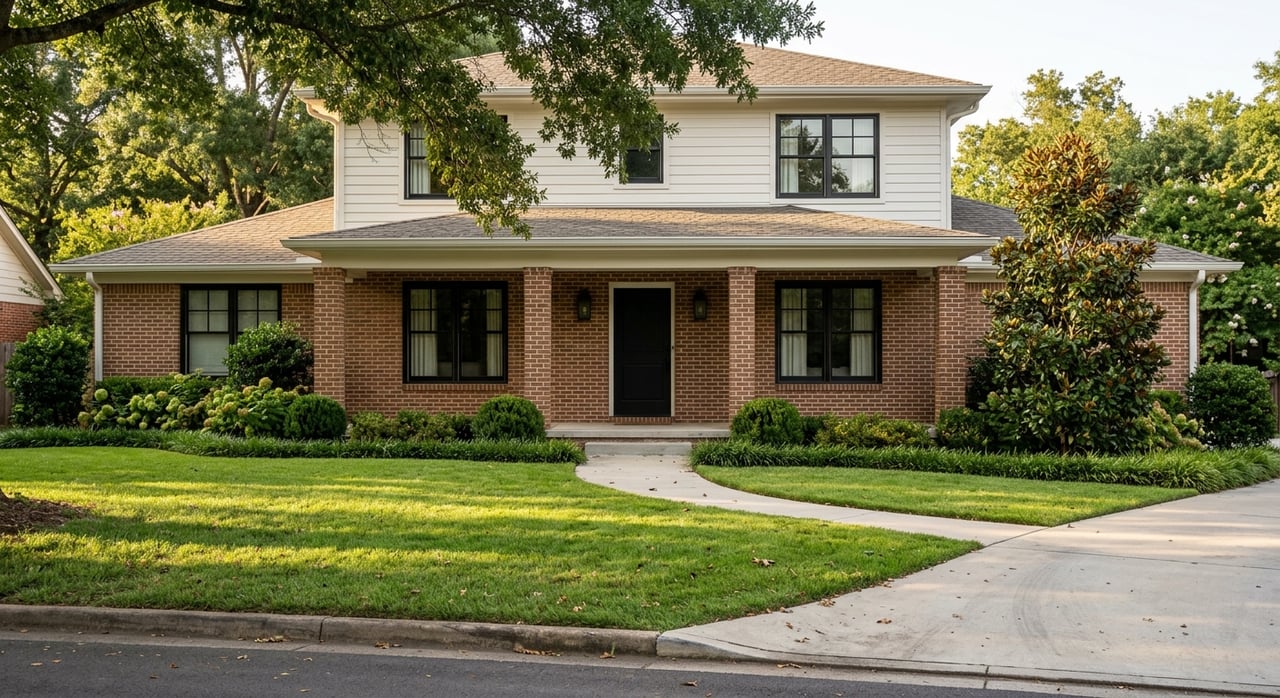
Wondering what day-to-day life in Lexington, SC actually feels like right now? If you are thinking about moving here, it helps to look past the map and get a real sense of how the town functions, from commuting and housing to weekends on the lake and evenings downtown. Lexington offers a mix of suburban convenience, local community energy, and outdoor access that appeals to many buyers. Let’s dive in.
Lexington at a glance
Lexington is a growing town in the Midlands with an estimated 2024 population of 25,354, up from 23,568 in 2020, according to U.S. Census QuickFacts. The Town of Lexington notes that it was incorporated in 1861 and is centrally located in South Carolina.
The numbers also show a community with a strong residential base. Census data reports 9,778 households, a 68.7% owner-occupied housing rate, a median household income of $87,126, and a median owner-occupied home value of $297,700. In practical terms, Lexington tends to feel more suburban than urban, with many residents putting down roots here.
Daily life in Lexington
Living in Lexington today often means balancing a few different rhythms. Your weekday routine may revolve around driving to work, school, errands, or appointments, while your evenings and weekends can look very different depending on whether you head downtown, to a local park, or out toward Lake Murray.
That variety is a big part of Lexington’s appeal. It is not just one kind of place. You get a historic civic core, busy commercial corridors, and outdoor recreation all within the same town experience.
Commuting and getting around
Lexington sits at the junction of US 1, US 378, and SC 6, with I-20 nearby and access to I-26, I-77, and Columbia Metropolitan Airport in the broader area, according to the town’s Comprehensive Land Use Plan. That road network is one reason Lexington works well for many people commuting within the Lexington-Columbia area.
At the same time, traffic is part of the local reality. The same land use plan notes long-running congestion concerns along major corridors such as US 378/Sunset Boulevard, North Lake Drive, and Corley Mill Road, along with ongoing improvement efforts in those areas.
Census data helps paint the day-to-day picture. The mean travel time to work is 25.2 minutes, 76.1% of workers drive alone, 6.41% carpool, and 14.2% work from home, based on QuickFacts. For you, that likely means Lexington still feels very car-oriented, but not necessarily isolated.
What that means for your routine
If you are relocating, it is smart to think about more than straight mileage. In Lexington, the feel of your daily routine can change a lot depending on how close you are to major roads, downtown, or your most frequent destinations.
A home that looks close on a map may still involve corridor traffic at peak times. On the other hand, being near the routes you use most can make everyday life much easier.
Downtown Lexington still matters
One of the most appealing parts of Lexington is that it has a visible town center. The comprehensive plan describes the historic Triangle as the compact, walkable downtown core, including Town Hall, the courthouse, Virginia Hylton Park, Lexington Square, Icehouse Amphitheater and Pavilion, the Lexington County Museum, the Old Mill, and Main Street businesses.
That matters because Lexington does not feel like a place made up only of subdivisions and commercial strips. Downtown gives the town a civic heart, and pedestrian-focused improvements have helped strengthen that walkable environment, according to the same land use plan.
Shopping and dining patterns
Outside the historic core, shopping and dining are concentrated along US 1, US 378, and SC 6. The plan specifically identifies US 378/Sunset Boulevard as a commercial spine and regional node, with interconnections that help people move between developments more easily.
So in everyday terms, Lexington often works in layers. You may run errands along the main corridors, then head downtown when you want a more walkable setting or local event atmosphere.
The town also supports local businesses through its Shop Local, Dine Local campaign. If you enjoy browsing local spots, the Market at Icehouse at 107 W Main Street adds another piece to Lexington’s community feel.
Lake Murray shapes the lifestyle
For many people, Lake Murray is one of the first things that comes to mind when they think about Lexington. The lake started as a 1930 energy project and now serves as a major recreation area as well as a resource for drinking water, fisheries, and wildlife habitats, according to Dominion Energy.
If you enjoy spending time outdoors, the lake adds a lot to life here. Lake Murray Country notes that the lake has 650 miles of shoreline, and public swimming is available at the Lexington Park site at the dam.
Know the access details
Lake life in Lexington is real, but it is also structured. Dominion Energy says the Lexington-side beach and recreation area requires an online reservation, costs $5 per vehicle per day, and is open seasonally from April 9 through Labor Day. The site includes picnic facilities, swimming, and restrooms, and there is no lifeguard on duty.
That means lake access is a lifestyle benefit, but not necessarily something that feels casual in every season or from every part of town. If being near water is high on your list, it helps to understand the difference between living in Lexington generally and living with easy access to your preferred lake activities.
Parks and trails add everyday flexibility
Lexington’s outdoor story is not limited to Lake Murray. The town’s Parks & Trails system includes Virginia Hylton Park, Lexington Square, Old Mill Pond Trail, Gibson Pond Park, Fourteen Mile Creek Trail, Corley Street Park, Lexington Paw Park, and Willie B. Caractor Park. Town park hours are listed as sunrise to sunset.
These spaces can make daily life feel more balanced. Whether you want a trail walk, a quick stop at a park, or a place to be outside close to home, Lexington has options within town limits.
Housing in Lexington today
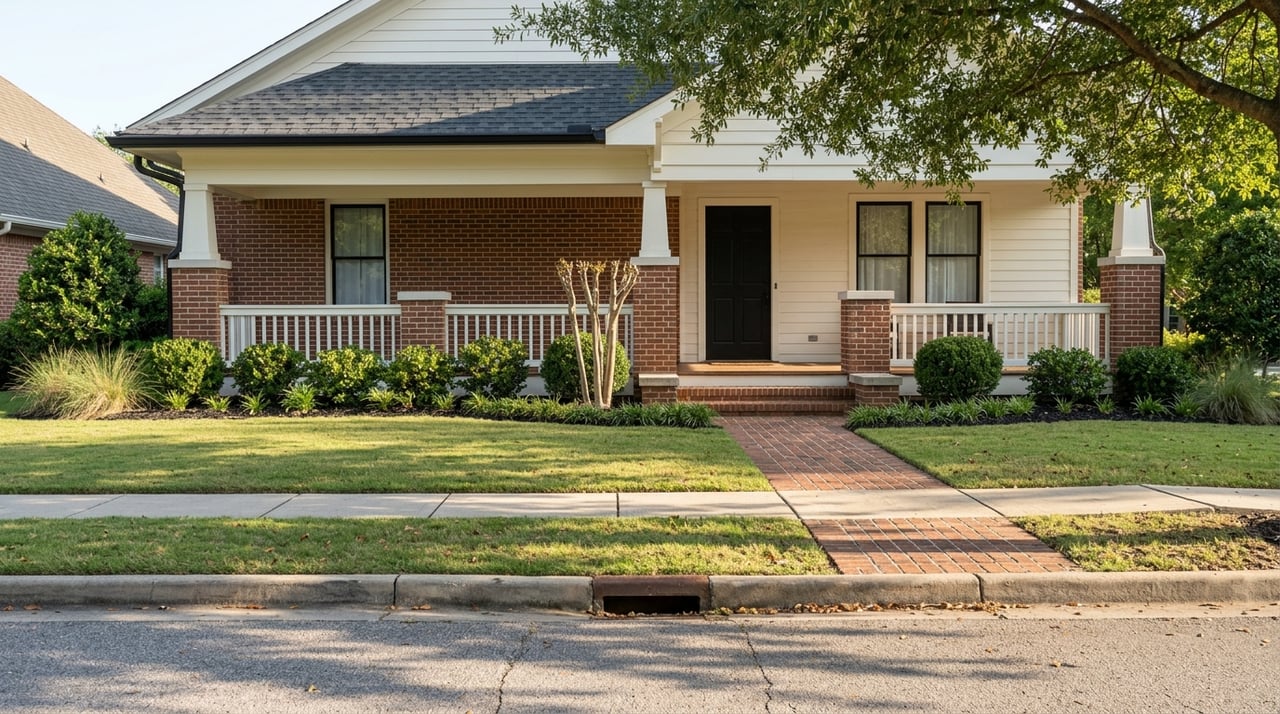
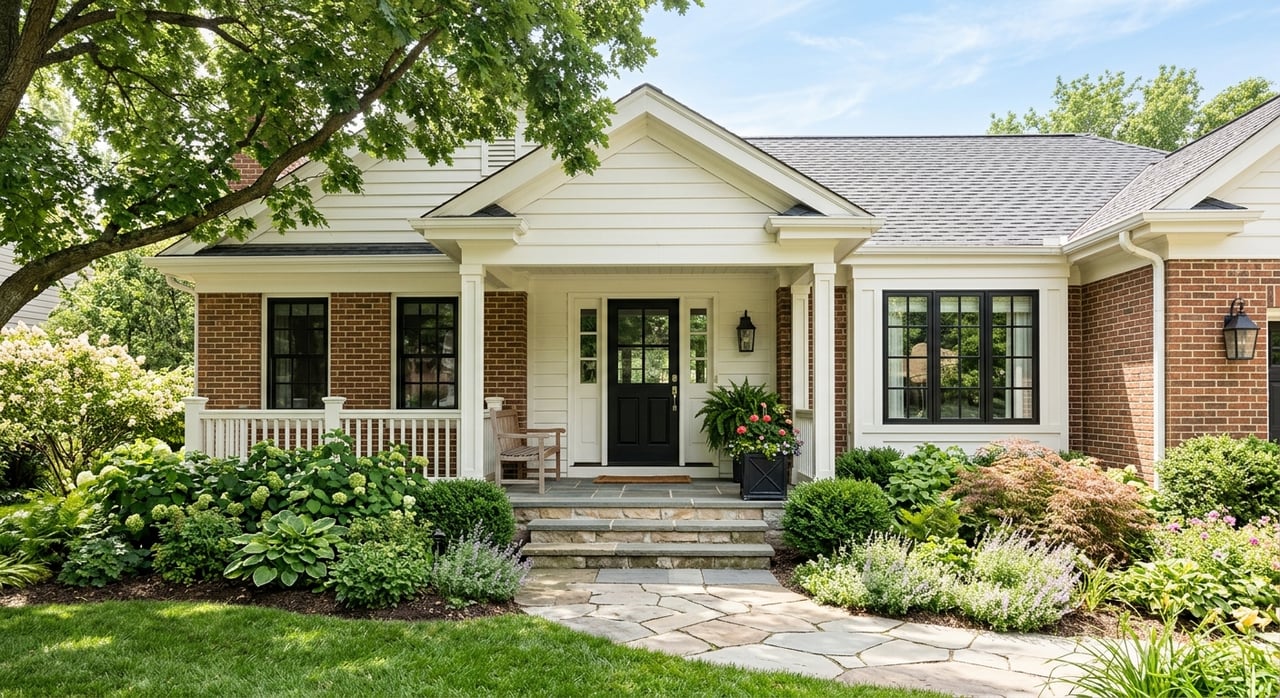
If you are picturing one standard Lexington home, it is better to think in terms of several different housing patterns instead. The town’s comprehensive plan says most development is still traditional single-family detached housing, but Lexington has also seen more patio homes, cluster homes, townhouses, and larger homes on smaller lots.
That mix gives buyers more flexibility than they may expect. Depending on where you look, you may find older in-town homes, newer subdivision homes, attached housing options, or neighborhoods with very different lot sizes and street layouts.
How neighborhood feel can vary
According to the land use plan, lower-density residential areas often have larger lots, front and rear yards, and off-street parking. The plan also notes that higher-density residential options tend to be concentrated nearer major corridors and I-20.
In the Triangle area, the plan envisions single-family detached homes on smaller lots, along with patio homes, townhomes, garage apartments, and context-sensitive apartments. So if you are comparing areas in Lexington, you are not only comparing price points. You are also comparing layout, pace, lot size, and how connected you want to be to downtown, corridors, or lake access.
What living in Lexington feels like overall
Today, Lexington feels like a town where different parts of life happen in different places. Work, school, and errands may center on the road network and commercial corridors. Community events and a more walkable setting often show up around Main Street and the historic Triangle. Weekend recreation may pull you toward parks or Lake Murray.
That contrast is a big part of what makes Lexington distinctive. You get suburban scale and convenience, but you also get a real downtown presence and a strong outdoor layer.
The town also has recurring community events that help create local rhythm. For example, the annual Snowball Festival includes a craft fair, carnival rides, movies, tree lighting, and a Christmas parade, adding to Lexington’s civic calendar.
Is Lexington a good fit for you?
Lexington can be a strong fit if you want a growing town with a mostly owner-occupied feel, convenient regional access, and a blend of neighborhood living, local events, and outdoor recreation. It may especially appeal to you if you want choices, not just in homes, but in how your daily lifestyle looks.
The key is matching your housing search to your real routine. Commute preferences, road access, downtown proximity, lot size, and lake lifestyle goals can all shape which part of Lexington feels right for you.
If you are thinking about a move, working with a local expert can make it much easier to narrow down areas that fit your pace, priorities, and budget. If you want help exploring Lexington and the surrounding Midlands, Marcy Glover offers the kind of practical, local guidance that can help you move forward with confidence.
FAQs
What is everyday life like in Lexington, SC?
- Everyday life in Lexington is typically suburban and car-oriented, with many errands and commutes centered around major roads, while downtown, parks, and Lake Murray add community and recreation options.
What is the commute like for Lexington, SC residents?
- According to U.S. Census QuickFacts, the mean travel time to work in Lexington is 25.2 minutes, and most workers drive alone.
What kinds of homes are common in Lexington, SC?
- Lexington includes mostly single-family detached homes, along with patio homes, cluster homes, townhouses, and some higher-density housing near major corridors and I-20.
Does Lexington, SC have a walkable downtown?
- Yes. The town’s historic Triangle serves as a compact, walkable downtown core with civic buildings, parks, event spaces, and Main Street businesses.
How do residents access Lake Murray from Lexington, SC?
- Public access includes the Lexington Park site at the dam, where Dominion Energy says seasonal entry requires an online reservation and a daily vehicle fee.
Are there parks and trails in Lexington, SC?
- Yes. The Town of Lexington lists multiple parks and trails, including Virginia Hylton Park, Gibson Pond Park, Old Mill Pond Trail, and Fourteen Mile Creek Trail.