Thinking about selling your home in Lexington, SC? In a market where homes are selling in about a month to six weeks, the right plan can make a real difference in how smoothly your sale goes and how close you get to your asking price. If you want less stress, fewer surprises, and a clearer path from listing to closing, this step-by-step guide will walk you through what to expect. Let’s dive in.
Understand the Lexington market
Before you list, it helps to know what kind of market you are stepping into. Lexington is best described as balanced to mildly competitive, which means sellers still have opportunity, but buyers have options too.
Recent market data shows homes in Lexington selling in roughly 28 to 39 days on average, depending on the source, with sale-to-list ratios around 99%. Some homes receive multiple offers, but not every listing does. That makes pricing, presentation, and timing especially important.
Start with your selling goals
Every home sale has a bigger reason behind it. You may be moving up, downsizing, relocating, or trying to buy and sell at the same time.
Your goals will shape your timeline, pricing strategy, and prep list. If you need the proceeds from your current home to buy the next one, that should be part of the plan from day one.
Choose a pricing strategy early
One of the biggest mistakes sellers make is relying too heavily on online estimates. Those tools can be useful for a quick look, but they are not a substitute for a pricing strategy based on recent comparable sales in Lexington.
A strong list price should reflect what buyers are actually paying for similar homes, not just what sellers hope to get. In a market with a 99% sale-to-list ratio, an aggressive first price can be riskier than a well-supported one.
Why the first price matters
The first days on market are often the most important. Buyers and their agents tend to pay close attention when a home is new, and that early interest can fade if the price feels out of step with recent sales.
A disciplined launch gives you a better chance of attracting serious buyers while your listing is fresh. It can also help reduce the need for price cuts later.
Prepare your home before listing
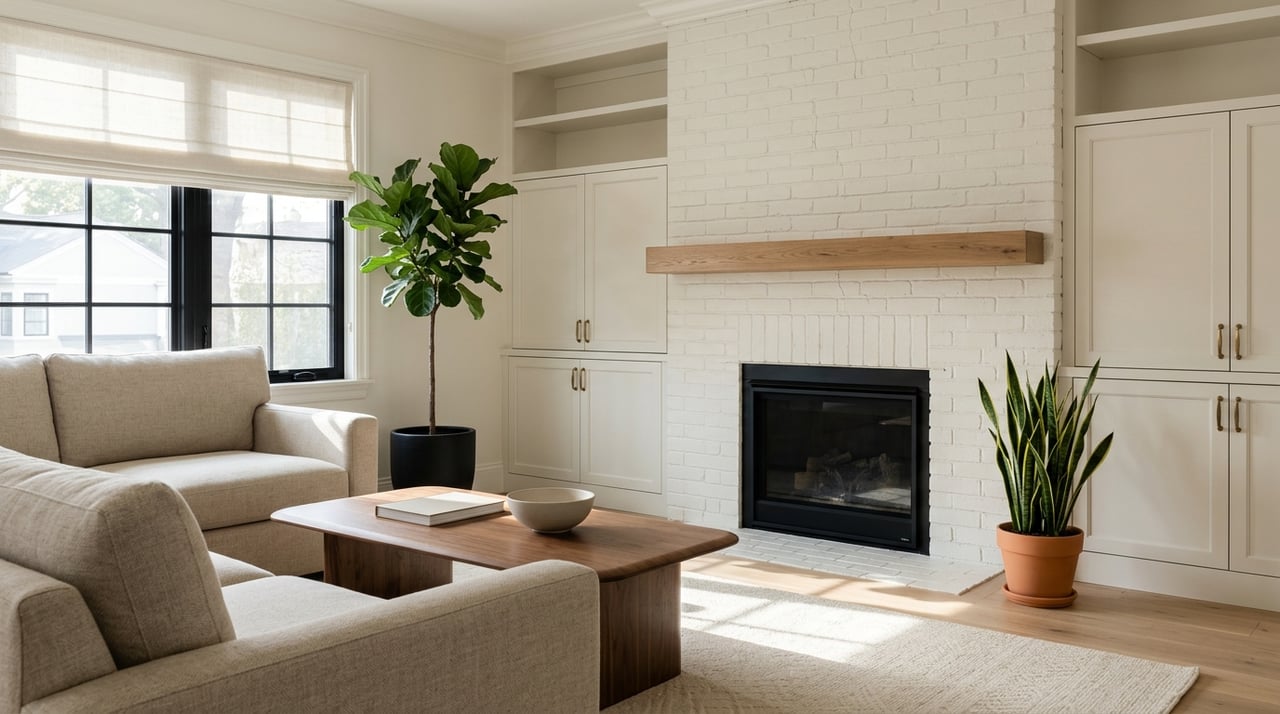
Your home does not need to be perfect to sell, but it does need to show well. Clean, bright, well-kept homes tend to photograph better and make a stronger first impression during showings.
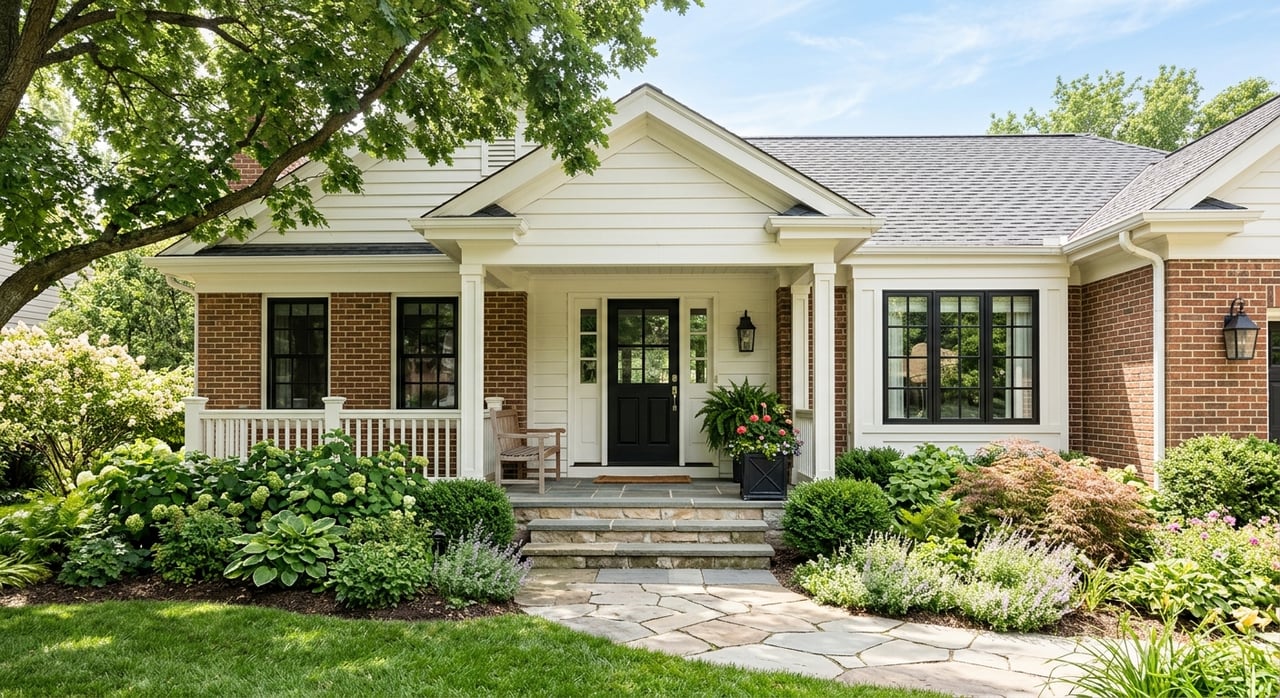
National seller guidance recommends focusing on decluttering, depersonalizing, deep cleaning, staging, and curb appeal. Even simple updates like cleaner windows, freshened walls, tidy lighting fixtures, and clean carpets can help your home stand out.
Consider a pre-sale inspection
A pre-sale inspection is not required in South Carolina, but it can help you spot issues before buyers do. That gives you time to decide whether to make repairs, adjust the price, or prepare for likely questions during negotiations.
This step can be especially helpful if you want fewer surprises once you are under contract. It also helps you plan your budget and timeline more clearly.
Gather documents now
Before your home hits the market, collect any warranties, guarantees, and manuals for systems and appliances that will stay with the property. Having these items ready can make your transaction feel more organized and help answer buyer questions quickly.
This is also a good time to gather utility information, service records, and anything else that helps explain how the home has been maintained.
Know your South Carolina disclosure duties
South Carolina has a Residential Property Condition Disclosure Act that applies to most sales and exchanges involving one to four dwelling units. In many cases, the seller must provide the disclosure before the contract is signed unless the parties agree otherwise.
The disclosure form covers topics such as structure, systems, termites, environmental hazards, land-use restrictions, rentals, meter conservation charges, and HOA governance. If you later discover a material inaccuracy, state law requires a corrected disclosure or reasonable repairs before closing.
“As is” does not erase disclosure rules
Some sellers assume that selling a home “as is” means no disclosure is needed. In South Carolina, that is not how the process generally works for covered transactions.
An “as is” sale may affect repair expectations, but it does not remove the disclosure framework. Knowingly giving false or misleading information can create legal and financial risk.
Get your home show-ready
Once your home is listed, daily presentation matters. Buyers often form their opinion quickly, both from online photos and from the moment they arrive for a showing.
A calm, clean, uncluttered home makes it easier for buyers to picture themselves in the space. That emotional connection can matter just as much as square footage or features.
Use a simple showing checklist
Before each showing, focus on the basics:
- Make the beds
- Clear kitchen and bathroom counters
- Wipe down surfaces
- Pick up clutter
- Organize the refrigerator
- Avoid strong cooking odors
- Keep the home visually calm and clean
These small steps can have a big effect on how your home feels in person.
Launch with strong photos and presentation
For many buyers, the photos are the first showing. That means your home’s online presentation needs to be sharp, bright, and inviting.
Clean windows, fresh surfaces, good lighting, and tidy exterior spaces can all improve listing photos. In a balanced market like Lexington, strong presentation can help your home earn more attention early.
Review offers carefully
When offers come in, the highest price is not always the best offer. You also need to look at financing, contingencies, requested closing dates, repair terms, and how likely the buyer is to make it to the finish line.
If your next move depends on the timing of this sale, those terms matter a great deal. A well-structured offer can save you stress and reduce the risk of delays.
Think beyond price alone
A financed offer may take about 30 to 45 days to close after acceptance, while a cash deal can sometimes close in roughly 10 to 14 days. That difference can affect your moving plans, your overlap costs, and your next purchase.
You may also want to ask about options like a post-closing occupancy agreement if you need a little more time after closing. Timing flexibility can be just as valuable as price in the right situation.
Stay on top of repairs and deadlines
After you accept an offer, your job is not done. If you agree to make repairs, stay organized and keep everything on schedule.
It is smart to save receipts and complete agreed work at least a week before closing when possible. The buyer’s final walkthrough often happens about 24 hours before closing, and unfinished items can lead to repair requests, concessions, or delays.
Prepare for an attorney-led closing
In South Carolina, real estate closings must be supervised by an attorney. That means your closing in Lexington will usually follow an attorney-led settlement process rather than a title-company-only model.
At closing, you will sign the deed and closing affidavit. You should also review the settlement statement carefully so you understand how funds are being distributed and what costs are being deducted from your proceeds.
Budget for recording costs
South Carolina charges a deed recording fee of $1.85 for each $500 of the property’s value. The law generally makes the grantor liable, with the grantee secondarily liable.
This is one of several closing costs that can affect your net proceeds, so it helps to review estimated numbers early rather than waiting until the last minute.
Plan your next move carefully
If you are selling one home and buying another, coordination matters. You may need to balance contract dates, moving logistics, and short-term housing plans.
Property taxes can also affect your planning. In Lexington County, one legal residence in South Carolina may qualify for the 4% legal-residence assessment ratio, while non-owner-occupied residential property is generally assessed at 6%.
Why tax status matters
If you are comparing the cost of keeping your current home for a short time versus moving into the next one quickly, tax classification can be part of that math. It is not the only factor, but it can affect your carrying costs.
This is one reason a clear, step-by-step plan matters so much when you are managing a sale and purchase together.
What a smooth sale usually looks like
While every transaction is different, a solid selling process in Lexington often looks like this:
- Set your timeline and selling goals
- Review recent comparable sales
- Decide on repairs and prep work
- Complete disclosure forms
- Stage, clean, and photograph the home
- Launch at a well-supported price
- Manage showings and buyer feedback
- Review offers and negotiate terms
- Complete agreed repairs and closing tasks
- Attend attorney-supervised closing
Each step builds on the one before it. When you slow down and plan carefully at the start, the rest of the process usually feels much more manageable.
Selling a home is a major life transition, not just a checklist. With the right pricing, preparation, and guidance, you can move through the process with more confidence and fewer surprises. If you’re getting ready to sell in Lexington, working with an experienced local advisor can help you protect your timing, your equity, and your peace of mind. When you’re ready to talk through your next step, connect with Marcy Glover.
FAQs
How long does it take to sell a home in Lexington, SC?
- Recent market data suggests many Lexington homes sell in about 28 to 39 days, though the exact timeline depends on your price, condition, and buyer demand.
Do sellers in Lexington, SC need to provide a property disclosure?
- Yes, most South Carolina sales involving one to four dwelling units are covered by the Residential Property Condition Disclosure Act, and the disclosure is generally provided before the contract is signed unless the parties agree otherwise.
Can you sell a house as is in Lexington, SC?
- Yes, you can sell a home as is in South Carolina, but that does not usually remove the disclosure framework for covered transactions.
Who handles the closing when selling a home in Lexington, SC?
- In South Carolina, real estate closings must be supervised by an attorney, so sellers in Lexington should expect an attorney-led closing process.
What should you do before listing a home in Lexington, SC?
- Before listing, it is smart to review pricing based on comparable sales, declutter, deep clean, improve curb appeal, gather property documents, and complete required disclosure forms.
How do you prepare for showings when selling a home in Lexington, SC?
- A good showing routine includes making beds, clearing counters, wiping surfaces, picking up clutter, organizing visible spaces, and keeping the home clean and neutral in feel.