Trying to decide between West Columbia and Downtown Columbia? It is a common question, especially if you want to stay close to the heart of the Columbia area but still find the right day-to-day fit. The good news is that both offer something distinct, and once you compare housing, pace, walkability, and lifestyle, the choice usually becomes much clearer. Let’s dive in.
West Columbia vs. Downtown Columbia at a Glance
West Columbia and Downtown Columbia may sit close together, but they offer very different living experiences. West Columbia is its own city in Lexington County, separated from Columbia by the Congaree and Saluda Rivers, with a 2024 population of about 18,418. Columbia is much larger, with a 2024 population of 144,788, and downtown serves as the urban core of that city.
That difference matters when you are thinking about where you want to live. West Columbia tends to feel more like a smaller, residential city with its own identity. Downtown Columbia feels more urban, compact, and active, especially around Main Street and nearby blocks.
Housing Style Differences
West Columbia homes feel more neighborhood-based
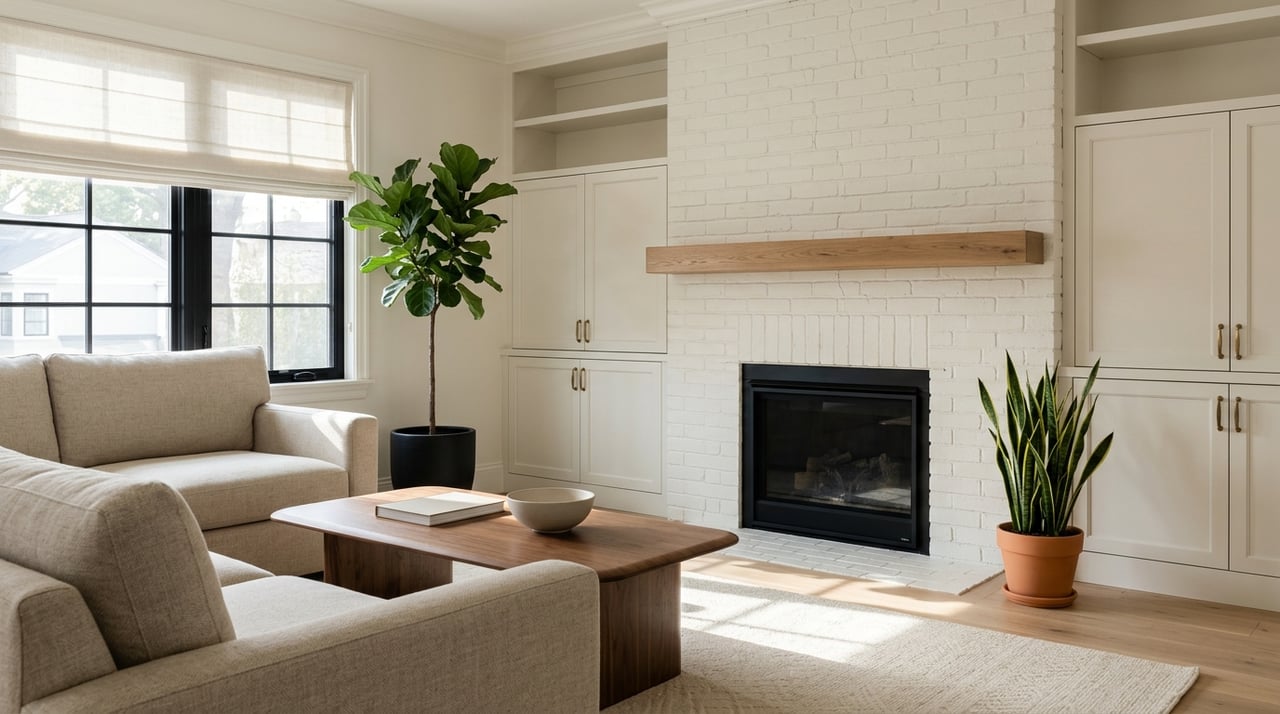
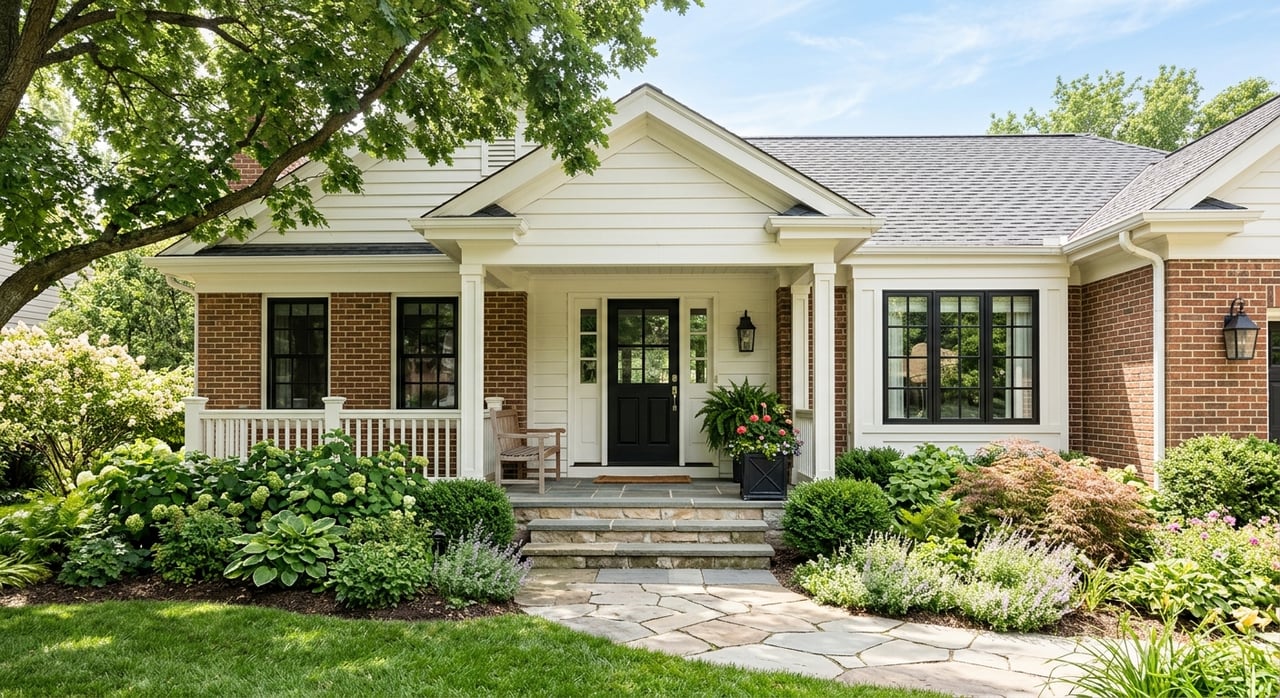
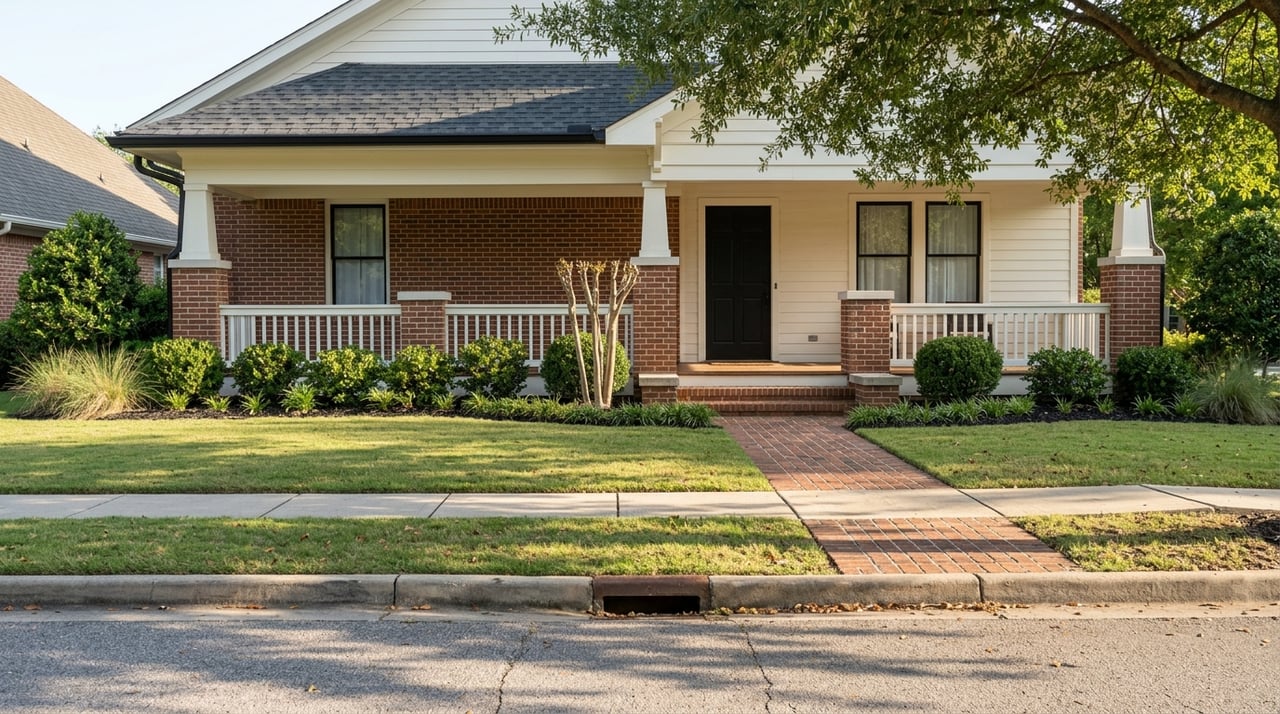
If you picture tree-lined streets, older homes with character, and a more residential setting, West Columbia may feel like the better fit. One of the clearest examples is the New Brookland Historic District, which began as a planned residential community for Columbia Duck Mill workers. The district includes more than 135 one- and two-story frame houses, along with duplexes and single-family homes.
West Columbia is not limited to historic housing, though. City zoning allows for a mix of residential options in appropriate areas, including single-family detached homes, duplexes, apartments, and accessory dwelling units. In other words, you can find both established character and newer infill depending on the part of the city you explore.
Downtown Columbia leans more urban
Downtown Columbia has a denser housing pattern. Planning materials describe thousands of housing units added downtown in recent years, and high-rise apartment buildings are a major form of residential development in the urban core.
If you like the idea of apartment-style living, being close to restaurants and cultural venues, and having more of a city feel right outside your door, downtown stands out. For many buyers and renters, the main draw is convenience and proximity rather than yard space or a traditional neighborhood layout.
How the Daily Pace Feels
West Columbia offers a calmer rhythm
West Columbia tends to feel smaller and more residential in everyday life. Its identity is tied to places like the Riverwalk, the New Brookland area, and redevelopment corridors such as Meeting Street and Triangle City. That mix gives the city personality without making it feel as fast-paced as an urban core.
If you want to be near Columbia but not in the middle of the busiest blocks, this can be a strong advantage. You may still be just a short drive from downtown activity while returning home to a setting that feels more relaxed.
Downtown Columbia feels more event-driven
Downtown Columbia, especially around Main Street, is the stronger choice if you want more energy built into your routine. Main Street is described as the cultural and social heart of downtown, with restaurants, bars, museums, rooftop views, and regular activity.
This area also hosts well-known attractions and events, including Soda City Market on Saturdays in the 1400 and 1500 blocks of Main Street. If you enjoy being where things are happening and want spontaneous options for dining or entertainment, downtown has the edge.
Walkability and Getting Around
Downtown Columbia is easier to navigate on foot
If your goal is to park once and walk, Downtown Columbia is the stronger match. The Main Street District is a compact 36-block urban core with wide sidewalks and closely spaced storefronts that make daily walking more practical.
Downtown also has support from The COMET, which offers fixed-route buses, accessible vehicles, bike racks, and Soda Cap Connector service for many downtown destinations. For people who want to minimize driving, this setup adds real convenience.
West Columbia stays close, but driving plays a bigger role
West Columbia is very close to downtown, often described as a quick hop over the Gervais Street Bridge. That makes commuting across the river relatively simple. Still, the everyday pattern in West Columbia is more likely to involve driving for many trips.
That does not mean you are far from activity. It simply means the lifestyle is less centered on walking block to block and more centered on moving between distinct areas by car, with easy cross-river access when needed.
Lifestyle, Food, and Recreation
West Columbia shines along the river and local corridors
A lot of West Columbia’s appeal is tied to the riverfront and its growing collection of local destinations. The area around State Street, Meeting Street, and the riverfront brings together restaurants, gathering spots, and public spaces that give the city a strong sense of place.
The Riverwalk is a major part of that lifestyle. The Three Rivers Greenway is described as a 12.5-mile-and-growing linear park with lighted trails, boardwalks, outdoor amphitheaters, restrooms, and ADA-accessible features. If you enjoy outdoor access and river views as part of your weekly routine, West Columbia offers something special.
The city also has the Interactive Art Park and the Meeting Street Artisan Market at 425 Meeting Street. Those features help create a local, community-centered feel that is different from a traditional downtown entertainment district.
Downtown Columbia offers concentrated arts and nightlife
Downtown Columbia has a stronger concentration of arts, nightlife, and walkable entertainment. Main Street is home to destinations like the Columbia Museum of Art and The Nickelodeon Theatre, along with restaurants, bars, and other gathering places.
For many people, the biggest benefit is how close everything feels. You can step out for dinner, browse downtown shops, visit a museum, or enjoy an event without needing much planning. If that style of living sounds appealing, downtown is likely the better fit.
Neighborhood Areas to Know in West Columbia
If you are leaning toward West Columbia, it helps to understand that the city has a few distinct areas with different personalities.
New Brookland Historic District
This is the best-known area for older, character-rich housing. It reflects the city’s mill-village history and includes many of the one- and two-story homes that give West Columbia a more established neighborhood feel.
River District and Meeting Street Corridor
These areas reflect West Columbia’s redevelopment momentum. They offer a more mixed-use, river-adjacent setting and are part of the city’s broader push toward a more pedestrian-friendly environment along key corridors.
Triangle City
Triangle City is more of a mixed-use commercial corridor than a purely residential pocket. It is helpful to know if you want to understand how West Columbia blends practical everyday uses with restaurants, niche retail, office space, and redevelopment activity.
Which One Fits You Best?
The best choice usually comes down to how you want your daily life to feel.
West Columbia may fit you better if you want:
- More of a residential setting
- Older homes with character, especially in historic areas
- Easy access to the riverfront and greenway
- A smaller-city feel that is still close to downtown Columbia
- A lifestyle that feels calmer and less event-driven
Downtown Columbia may fit you better if you want:
- Apartment-style or denser urban living
- Stronger walkability for daily errands and outings
- Easy access to arts, museums, restaurants, and nightlife
- A compact environment with activity built into the streetscape
- More chances to leave the car parked for long stretches
A Smart Way to Compare Both
If you are relocating or narrowing your search, the best next step is to compare these areas in person with your real priorities in mind. Think about what matters most to you, such as housing style, daily routine, commute habits, or how often you want dining and entertainment right outside your door.
This is where local guidance can make the decision easier. A quick drive through West Columbia and Downtown Columbia can tell you a lot, but context matters too. Understanding which parts of West Columbia feel more historic, which areas are seeing redevelopment, and how downtown living differs block by block can help you choose with confidence.
Whether you are buying your first home, relocating, or trying to balance lifestyle and convenience, working with someone who knows both sides of the river can save you time and stress. If you want help comparing West Columbia and Downtown Columbia based on your goals, connect with Marcy Glover for practical local guidance.
FAQs
Which area is more walkable, West Columbia or Downtown Columbia?
- Downtown Columbia is generally the more walkable option, especially around Main Street, where the urban core is compact and designed for foot traffic.
Which area has more historic houses, West Columbia or Downtown Columbia?
- West Columbia is the stronger choice if you want distinctive historic housing, especially in the New Brookland Historic District and mill-village areas.
Which area is better for nightlife and arts, West Columbia or Downtown Columbia?
- Downtown Columbia has the stronger concentration of nightlife, arts, museums, and event activity, particularly around Main Street.
Which area feels more residential, West Columbia or Downtown Columbia?
- West Columbia generally feels more residential because it is a smaller city with established neighborhoods and a less intense daily pace.
Is West Columbia close enough for a downtown Columbia commute?
- Yes. West Columbia is very close to Downtown Columbia, and cross-river trips are often described as a quick hop over the Gervais Street Bridge.