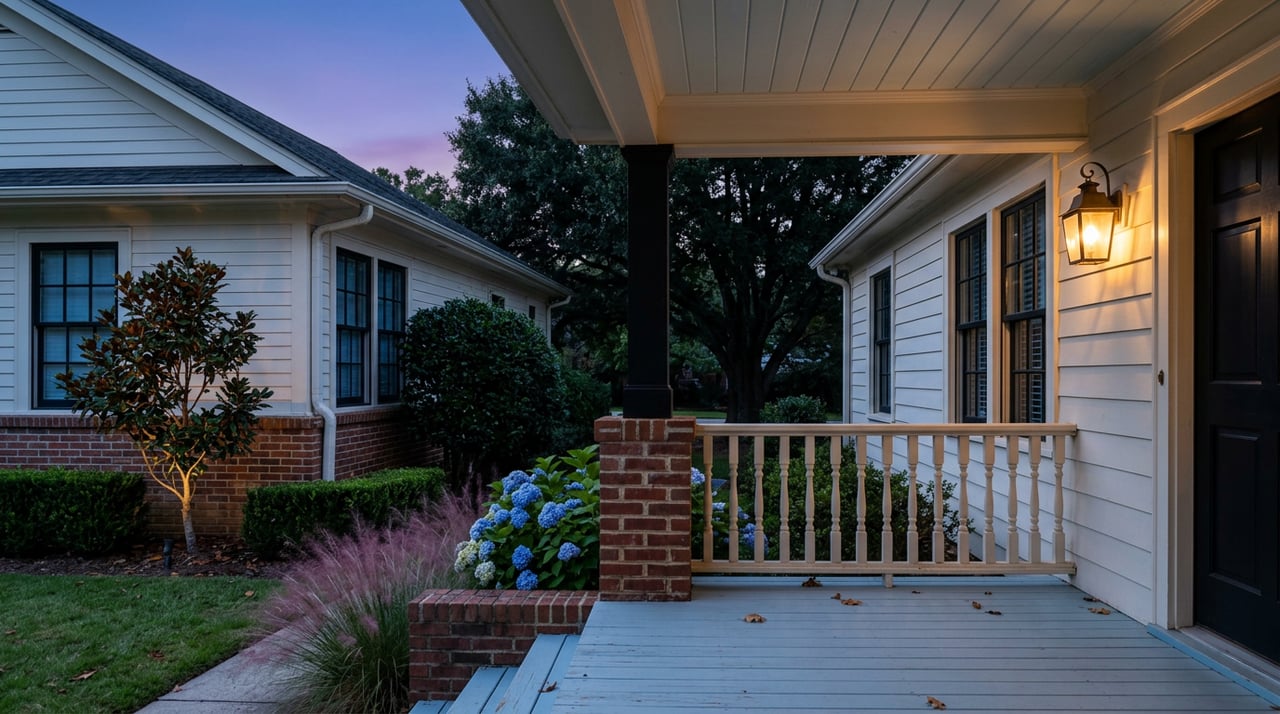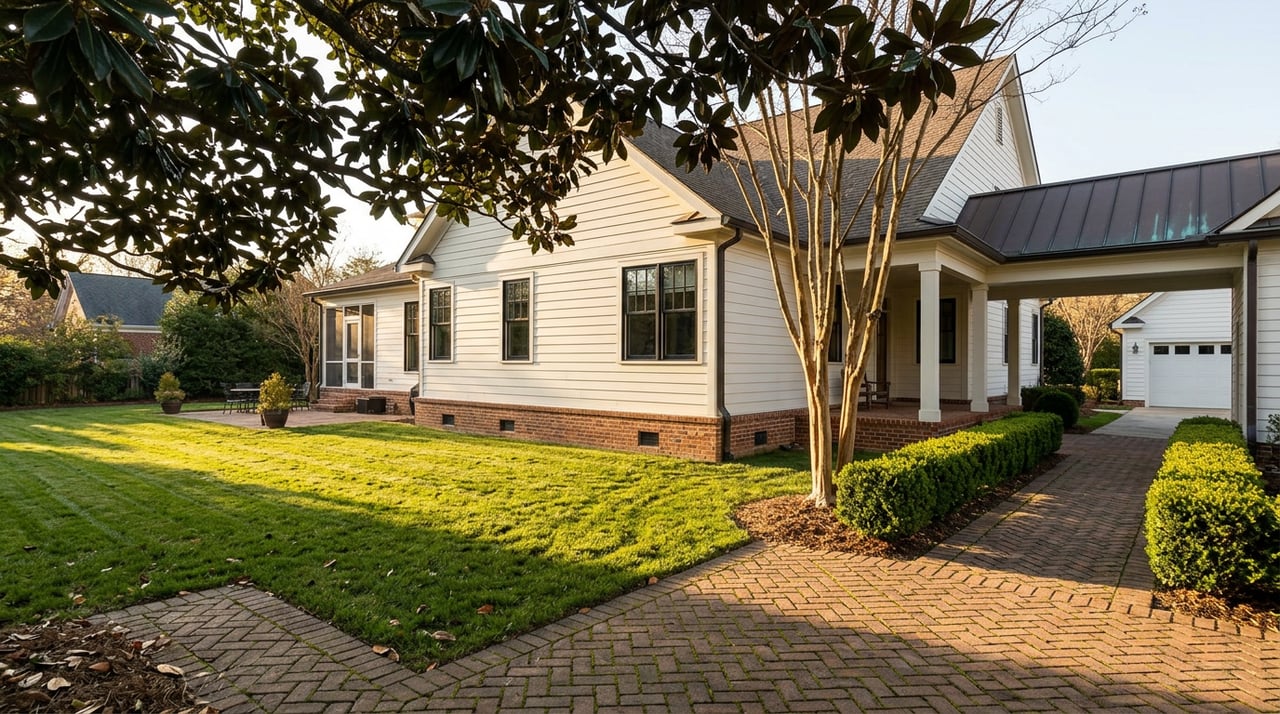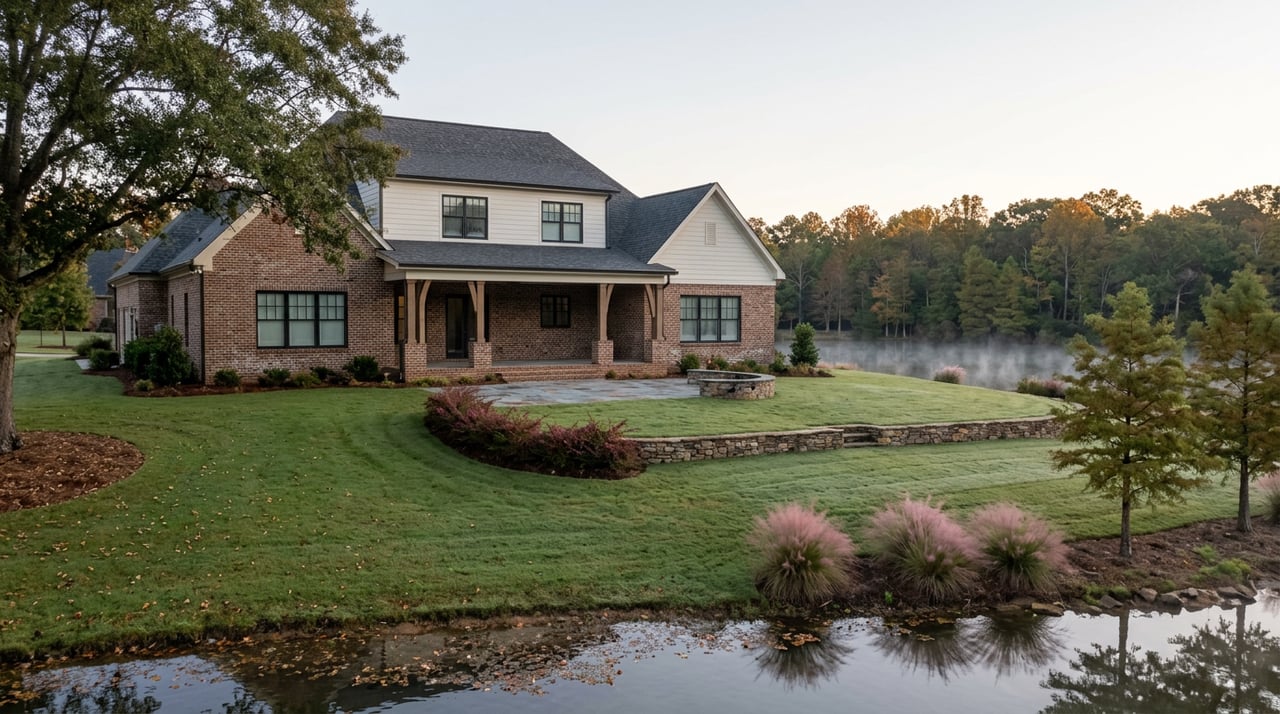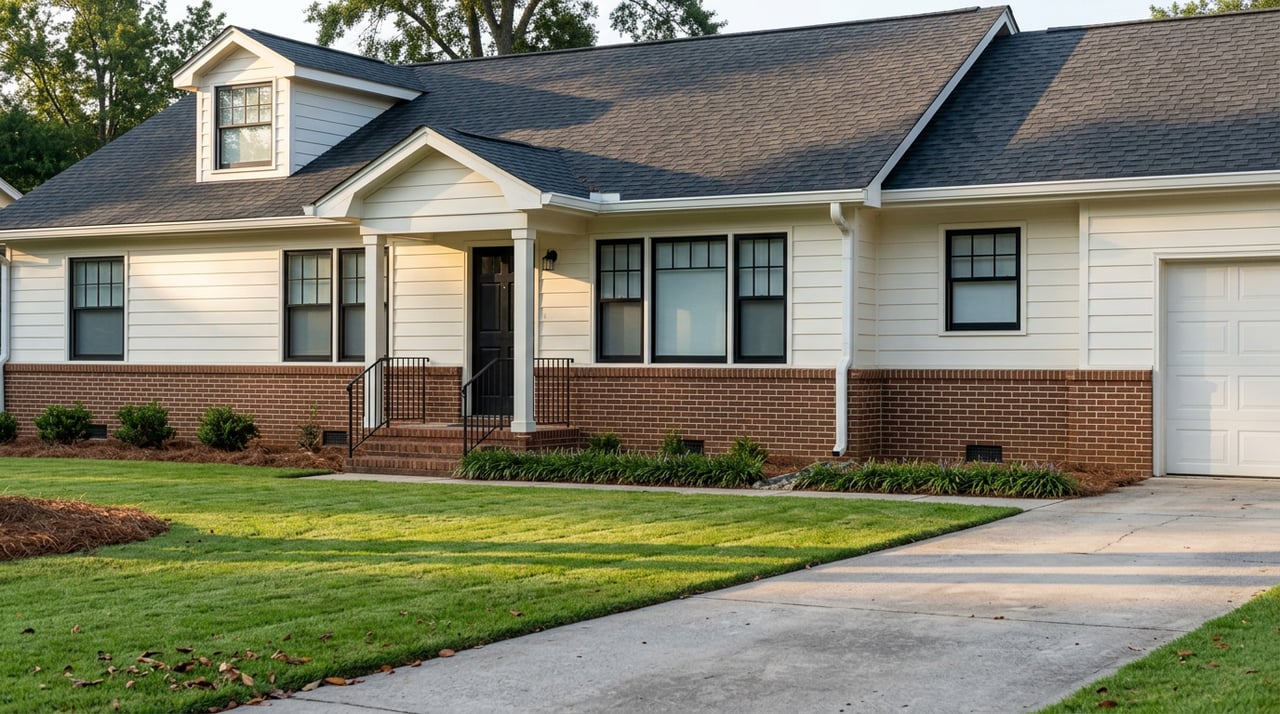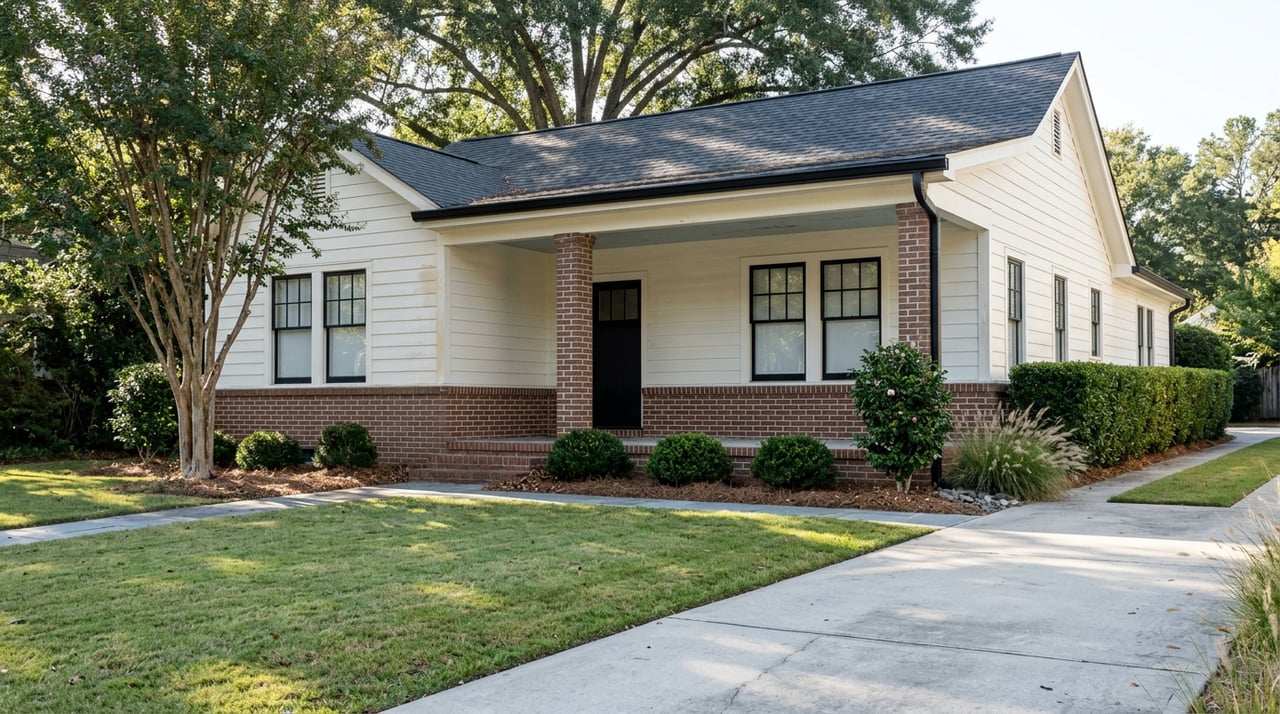
Two houses sit three streets apart in West Columbia. Same square footage, same builder, same asking price this summer. One sold in 2019 and has quietly ridden out two reassessment cycles under South Carolina's value cap. The other hasn't changed hands since 2011. Buy either one today, and the tax line on the listing sheet becomes almost meaningless the moment you sign at closing.
That's not a knock on the listing agent's math. It's how South Carolina property tax law is built. The number you see is the seller's number, protected for years by a cap that disappears the instant ownership changes. Your number gets calculated fresh, and it usually lands higher.
The sale itself is a tax event
South Carolina limits how much a county can raise a property's taxable value between reassessments: no more than 15% over a five-year cycle, no matter how much the market moved. Lexington County's last countywide reassessment took effect in 2025, with the next one not due until 2030. A house that hasn't sold in that window can sit well below its true market value for tax purposes, sometimes for a decade or more, simply by not changing hands.
Selling breaks that shelter. State law calls it an Assessable Transfer of Interest, and it strips the 15% cap the moment a deed records. The county reappraises the property to current fair market value, effective December 31 of the year the sale closes, and that new number becomes the basis for the tax bill the following year. A West Columbia and Lexington law firm that handles property tax matters describes this plainly on its site: the closing itself triggers the reappraisal, separate from and faster than the county's regular five-year schedule.
Here's the shape of it in round numbers. Say a house last sold for $180,000 in 2016. Under the cap, its taxed value might have crept up to something like $205,000 by 2025, nowhere close to what it would fetch on today's market. If that same house sells this year for $310,000, the ATI wipes out the gap. Beginning with next year's bill, the county taxes it at something close to that $310,000 sale price, not the capped figure the seller had been living with. The buyer inherits a materially higher bill in year two, even if nothing about the house itself changed.
The zip code you close in already moves the number
West Columbia isn't one flat tax rate wearing a single zip code. Property tax data from Ownwell, drawn from actual Lexington County records, puts the city's median effective rate at 0.60%, but that median hides a real split. Homes in 29169 carry a median effective rate of 0.76%. Homes in 29172 sit at 0.57%. That's a spread of nearly a fifth of a percentage point within the same city, driven by which school district levies apply and which special assessment districts overlap the property.
| ZIP Code | Median Effective Rate |
|---|---|
| 29169 | 0.76% |
| 29172 | 0.57% |
On a $300,000 home, that spread is the difference between roughly $2,280 and $1,710 a year, before the ATI reassessment even enters the picture. Two listings priced identically on the same day can carry different long-term tax loads based on nothing more than which side of a school district line they sit on. If you're comparing West Columbia homes on price alone, you're comparing half the number.
What this actually changes at closing
Lenders escrow for property tax using the figure available at the time of underwriting, which is almost always the seller's current bill. That figure is a placeholder, not a forecast. Once the ATI reassessment posts the following year, most escrow accounts come up short, and the mortgage servicer adjusts the monthly payment upward to cover the gap. Buyers who budgeted tight around their first year's payment often feel this in year two as a payment increase that has nothing to do with their interest rate.
Two things are worth doing before that happens.
File for the legal residence classification right away. South Carolina taxes owner-occupied primary residences at a 4% assessment ratio and everything else, including second homes and rental property, at 6%. That's not a rounding difference. It changes the base the millage rate multiplies against. New owners have to apply for the 4% ratio with the county assessor, and if the paperwork doesn't get filed by the first tax due date, the county defaults to the higher rate for that year.
Watch for the assessment notice and use the appeal window. After an ATI reassessment, Lexington County mails a notice showing the new market value. Owners have 90 days from that notice to file a written appeal if they believe the county's number runs ahead of what the property is actually worth. Miss the window and the appraisal stands for the year, regardless of the argument you'd have made.
The seller's tax bill tells you what the house cost to own last year. It tells you almost nothing about what it will cost you next year.
For buyers purchasing investment property in West Columbia, this cuts a different way. Since rental and non-owner-occupied homes are taxed at the 6% ratio rather than 4%, the ATI reassessment lands on top of an already higher assessment base. Running the numbers on the post-sale tax bill, not the seller's current one, belongs in the same spreadsheet as rent projections and vacancy assumptions.
A few questions worth settling before you write an offer
Does every sale trigger this, or just some? An Assessable Transfer of Interest covers most conveyances to a new owner, which includes the vast majority of standard purchase transactions. Certain transfers, like some transfers between family members or into a trust, are treated differently under the statute, so a specific situation is worth a quick conversation with a real estate attorney before assuming the standard rule applies.
Does this apply to new construction? New construction is valued and added to the tax roll based on its completed value in the year it's finished, independent of the ATI rules that apply to resales. A newly built West Columbia home won't carry a seller's old capped number to begin with, since there isn't a prior sale cycle to reset.
Can I estimate my actual first full-year tax bill before closing? The Lexington County Assessor's office and the county's online property tax search tools are the most reliable starting points, since they reflect real millage rates by tax district rather than a citywide average. Running the sale price against the applicable millage for the specific tax district gives a closer estimate than anything pulled from a portal's citywide median.
Does the 15% cap ever help a buyer? It helps whoever owns the home between sales. It doesn't travel with the property to a new owner. The cap is a benefit of staying put, not a feature of the house itself.
None of this changes whether a West Columbia home is worth buying. It changes what number you should be running before you write the offer, and it's the kind of detail that's easy to miss when the seller's tax line looks reassuring on paper. If you're comparing homes across zip codes, weighing owner-occupied against investment financing, or just trying to figure out what your actual carrying cost looks like in year two, that's exactly the kind of question worth working through before you're under contract, not after.
If you're weighing a West Columbia purchase and want the real numbers run for a specific address, Marcy Glover can walk through the tax district, the current assessment, and what a post-sale reappraisal is likely to look like before you make an offer. Let's Connect.