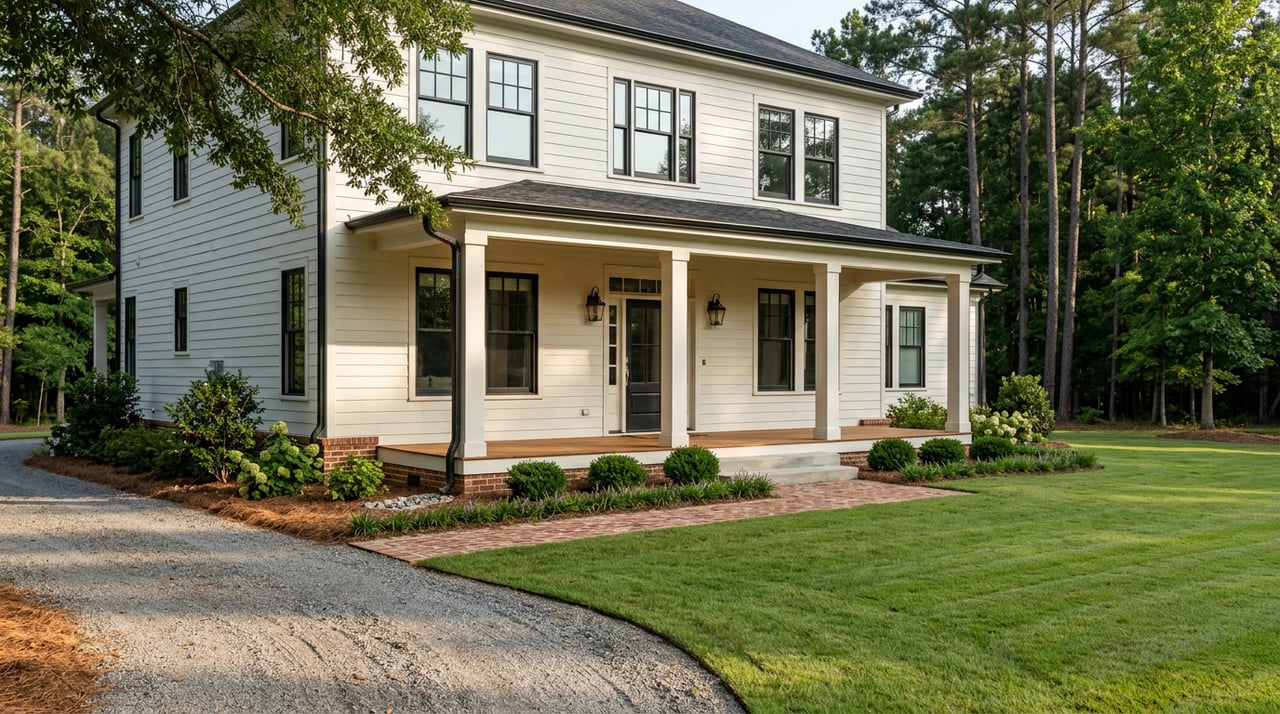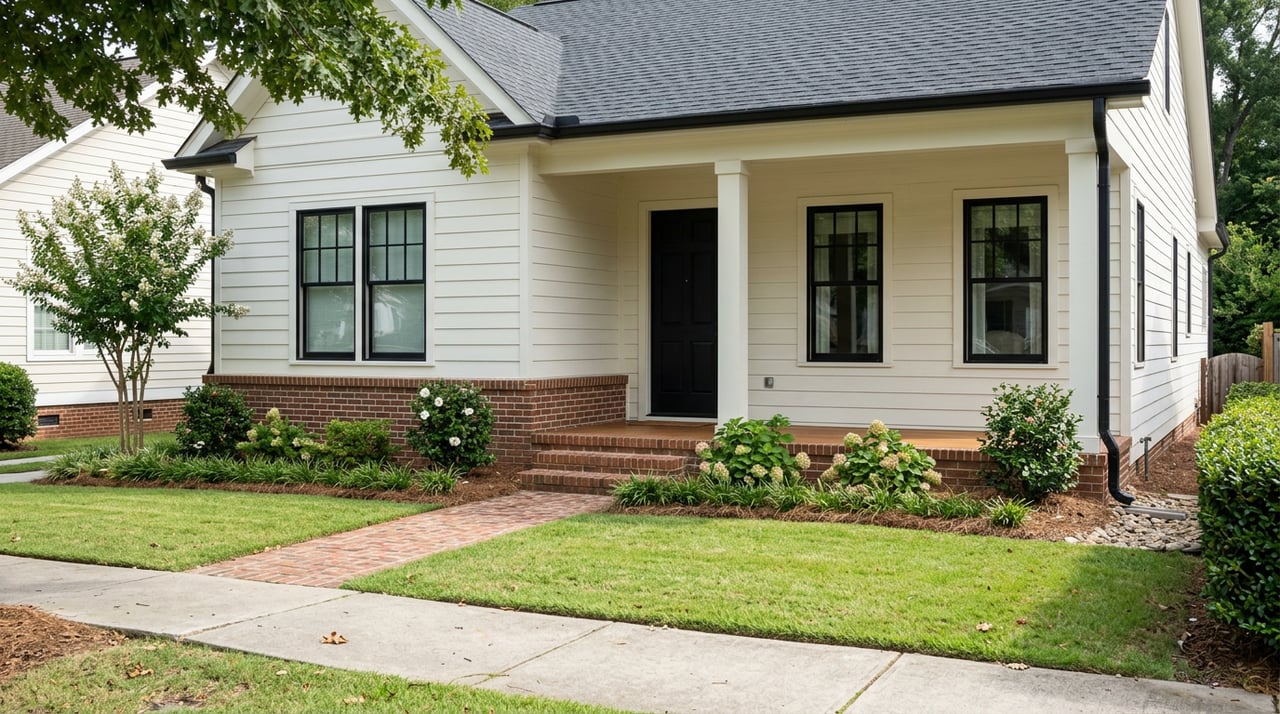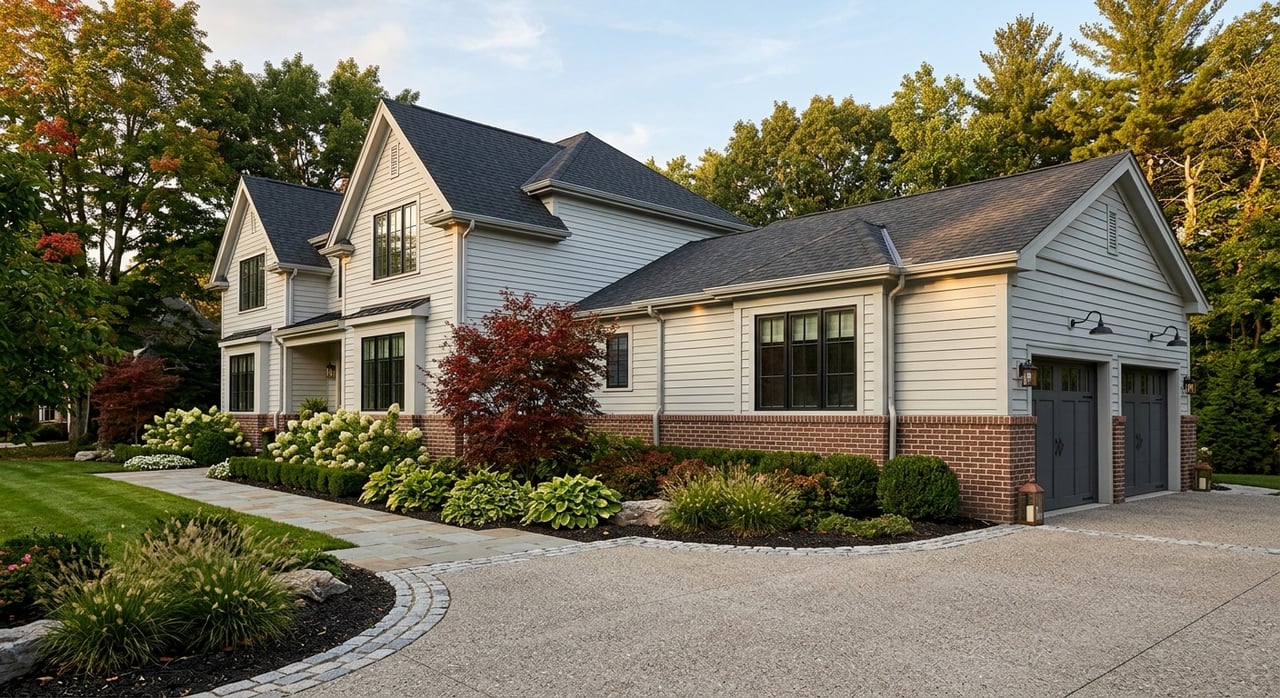
If you are thinking about buying land or new construction in Gilbert, SC, one question matters more than almost anything else: can the site actually support the home you want to build? It is easy to get excited about a pretty parcel, a builder floor plan, or a new neighborhood release, but land purchases come with extra layers that can affect cost, timeline, and even whether a home can be built at all. The good news is that with the right local guidance, you can ask smarter questions and avoid expensive surprises. Let’s dive in.
Why Gilbert Land Requires Extra Homework
When you buy an existing home, you can usually see the structure, utilities, and layout in front of you. When you buy land, you are evaluating potential, not just what is visible on the surface. That makes due diligence especially important in Gilbert and the surrounding Lexington County area.
A vacant lot may look buildable, but buildability can depend on zoning, floodplain status, wetlands, access, utility availability, and whether septic and well approvals can be obtained. In other words, you are not just choosing a location. You are choosing a site that needs to work for your home, your utilities, and your construction timeline.
Check Utilities Before You Fall In Love
In Gilbert, utility service can vary by parcel. The Town of Gilbert says water is provided through the Gilbert-Summit Rural Water District, which serves more than 2,700 customers across about 77 square miles in western Lexington County. The town also notes that electricity may be provided by Dominion Energy or Mid-Carolina Electric Cooperative depending on where the property is located.
That is why it is so important to verify utility service lot by lot. Lexington County notes that water and sewer availability is essential for new development, and state guidance says that land without public sewer will need a septic system, while land without public water will need a residential well.
This can change your budget quickly. A lot that seems affordable at first may still require utility extensions, septic approval, or well planning before construction can begin.
How Septic Can Shape Your Plans
For many Gilbert-area land purchases, septic is one of the biggest early checkpoints. South Carolina requires site approval and a permit for every septic system, and SCDES says that if a home is not served by a public or community sewer system, septic approval must come first. Without that permit, the county cannot issue a building permit.
SCDES also advises buyers to look closely at conditions that may affect septic feasibility, including:
- Rocky soil
- Steep slopes
- Flooding
- Standing water
- Wetlands
- Fill dirt
Septic space needs can vary based on soil type and house size. SCDES also lists separation distances, including 75 feet from a private well and 100 feet from a public well.
If a property does not meet conventional or alternative septic standards, an engineered 610 system may be required. SCDES says that can cost thousands more, which is why septic review should happen early, not after you are already emotionally committed to the lot.
Well Water May Be Part of the Equation
If public water is not available, a residential well may be needed. SCDES regulates residential well permitting and standards under state regulations, which means well approval is another front-end issue to review before purchase or before finalizing a construction contract.
This matters because septic and well placement must work together on the same site. A parcel may be large enough on paper, but the real question is whether it can support the required layout, separation distances, and house footprint you want.
Floodplain, Drainage, and Wet Conditions Matter
Flood risk is another major piece of land due diligence in Lexington County. The county has a floodplain management program, and its guidance states that structures in designated floodplains must meet special criteria before a building permit is issued.
Even outside a mapped floodplain, drainage can affect how practical a lot is for building. Wet areas, standing water, and soil conditions can influence septic evaluations and may also create delays. SCDES notes that wet soil conditions can slow site evaluations because inspectors may need the ground to dry out before they can properly assess the property.
For buyers, this means timing matters. A lot that seems simple during one season may take longer to evaluate if weather conditions are not cooperating.
Access, Roads, and Site Layout
A buildable lot is not only about the house pad. Access to the property and road-related requirements can also affect your plans.
Lexington County says that projects in public rights-of-way require an approved encroachment permit. The county also notes that road upgrades, such as turn lanes or traffic-control devices, may be required depending on the project.
Street addressing is another detail buyers often overlook. According to Lexington County, street addresses are assigned by County Planning and GIS before a building permit is issued for 911 and mailing purposes.
These may sound like small details, but they can influence timing, planning, and cost. A good land purchase is not just about acreage. It is about whether the lot functions well for access, services, and the type of home you want to build.
Understand the Permit Sequence
One of the most common frustrations with land and new construction is assuming permits will fall into place later. In Lexington County, the sequence matters.
County guidance says that before a building permit is issued, the proper zoning, landscape, land-disturbance, and water and sewer permits must already be in place. The county zoning office also handles zoning applications, map amendments, variances, and zoning permit questions.
For some properties in unincorporated Lexington County, development review meetings are required for proposed development exceeding one acre unless exempt. The county also updated its land development manual in March 2026, which is another reminder that rules and processes can change over time.
The practical takeaway is simple: if you are buying land, do not treat permitting as a back-burner issue. It should be part of your early decision-making.
New Construction Options in Gilbert
If you like the idea of a brand-new home but want less uncertainty than raw land can bring, Gilbert has neighborhood-style new construction options to explore. These communities can offer a more structured building process, though you still want to understand lot, plan, and timeline details.
Current examples in Gilbert include Winston Point, where Mungo Homes describes future pool and cabana amenities and homes from the low to mid-$200s with plans exceeding 3,000 square feet. D.R. Horton also lists Seases Pond in Gilbert with pond-front lots and inventory homes.
Nearby Lexington communities show a broader range of new construction choices as well. Eastwood Homes highlights Ferry Grove with large homesites, wooded views, and a resort-style pool and cabana, while Mungo Homes describes Hendrix Farms as offering lot selection, floor plan choices, finish personalization, and planned natural-gas and fiber-optic networks.
For you, the benefit of a community build may be a more predictable process, available inventory, and packaged amenities. The tradeoff is usually less flexibility than a fully custom or on-your-llot build.
Custom and Build-On-Your-Lot Paths
If you already own land, or want a more personalized home, custom and on-your-lot building is another path in the Gilbert area. Local builders actively market services such as lot analysis, utility and easement review, permitting support, inspections, and build-on-your-lot guidance.
That can be helpful if you want more say in the home design or if your lot has unique features. It also means you should be prepared for more moving parts than you might face in a subdivision with pre-planned infrastructure.
A custom build can be a great fit when the site has already been well-vetted and your expectations match the reality of the timeline. The key is making sure the lot works before you commit too far down the road.
Questions to Ask Before You Buy
Whether you are considering land or a newly built home, asking the right questions early can protect both your budget and your peace of mind.
Consider asking:
- Is public water available to this specific parcel?
- Is public sewer available, or will the property need septic?
- If septic is needed, has the site been evaluated?
- Will a well be required?
- Is any part of the lot in a floodplain or affected by drainage concerns?
- Are there access or right-of-way issues to solve?
- Does the zoning support the intended use?
- What permits must be in place before construction can begin?
- Could wet-weather conditions delay evaluations or approvals?
These questions help you compare sites more clearly. In Gilbert, that is often just as important as comparing floor plans or finishes.
Why Local Guidance Makes a Difference
Land and new construction decisions involve more than picking a property you like. You need to understand how county requirements, utility access, soil conditions, and builder options all fit together.
That is where local experience can make the process feel much more manageable. When you work with someone who understands the Lexington and Gilbert market, you can better spot red flags, ask better questions, and move forward with more confidence.
If you are weighing land, builder communities, or a custom home path in Gilbert, having a calm, informed guide can save you time and help you avoid expensive missteps. If you are ready to talk through your options, connect with Marcy Glover for practical local guidance.
FAQs
What should you verify before buying land in Gilbert, SC?
- You should verify zoning, floodplain status, access, utility availability, and whether septic and well approvals can be obtained for the specific parcel.
Does every vacant lot in Gilbert support new construction?
- No. A vacant lot may look buildable, but the site still has to work for utilities, access, septic or well needs, and local permitting requirements.
Do you need septic approval before building on land in Lexington County?
- Yes. If the property is not served by a public or community sewer system, SCDES says septic approval must be obtained before the county can issue a building permit.
Can wet weather delay a land purchase or build in Gilbert?
- Yes. SCDES says wet soil conditions can delay site evaluations because inspectors may need the ground to dry out before they can properly assess the property.
Are there neighborhood new construction options near Gilbert, SC?
- Yes. Gilbert includes community-style options such as Winston Point and Seases Pond, and nearby Lexington offers additional new construction communities with a range of homesites and floor plans.
Is buying land in Gilbert different from buying a resale home?
- Yes. With land, you are evaluating whether the site can support the home, utilities, and timeline you want, not just whether you like the location or appearance of the property.